
Laser for Pigmentation: Benefits & Results Explained
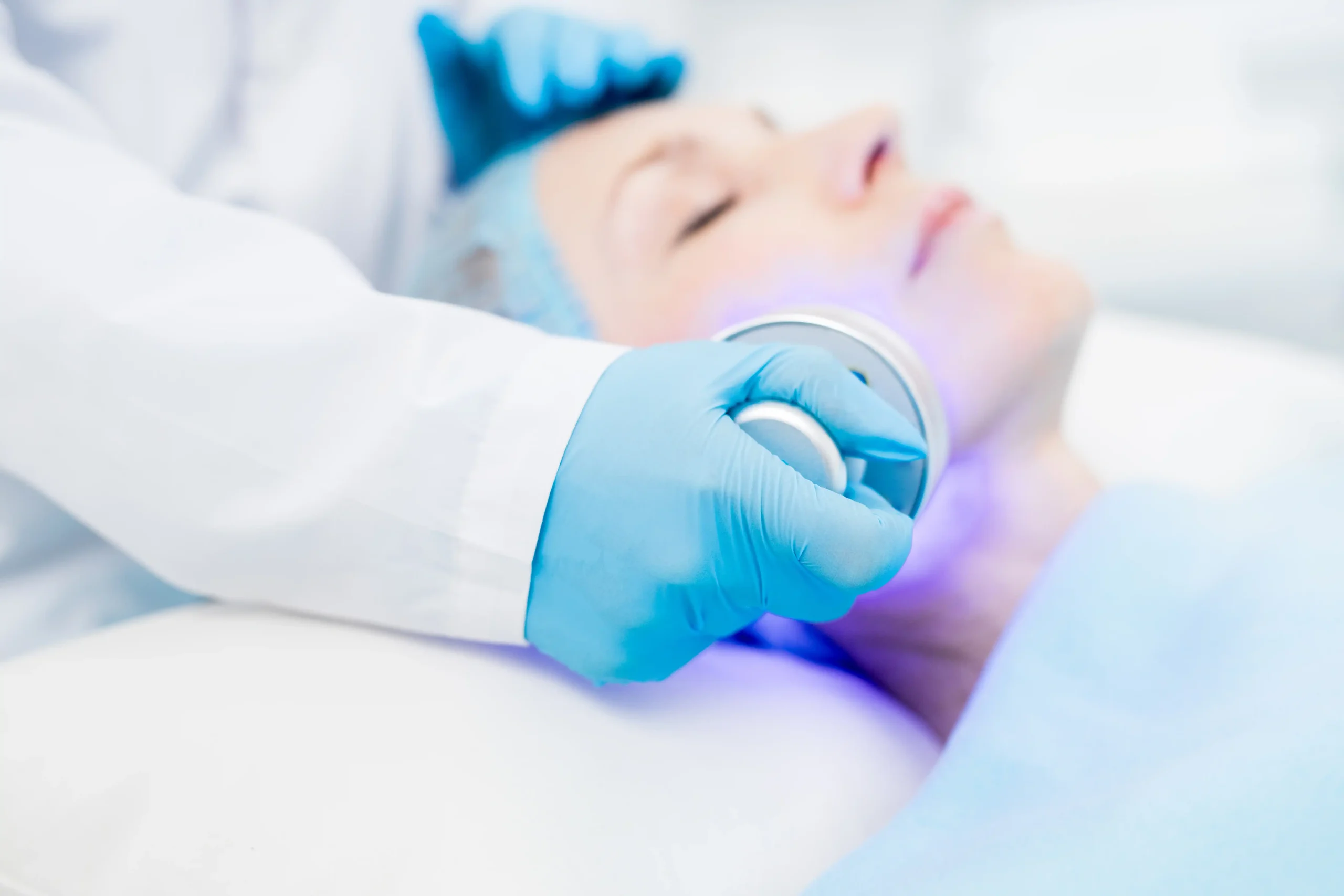
Staring at your reflection and noticing dark spots, uneven skin tone, or stubborn patches that makeup can’t quite cover? You’re not alone in this frustrating journey. Pigmentation concerns affect millions of people worldwide, leaving many feeling self-conscious about their appearance and searching for effective solutions that actually deliver lasting results.
Modern lasers for pigmentation treatments have revolutionised how we approach these skin concerns. Unlike topical creams that take months to show results, laser technology offers a precise approach to targeting unwanted pigmentation. Professional specialists now use advanced laser systems to help patients achieve clear, radiant skin.
Understanding how laser treatments work and what results to expect is essential for making an informed decision about your skincare journey.
Laser Technology Explained
Modern laser systems use sophisticated technology to deliver controlled energy pulses that fragment pigmented cells while preserving surrounding tissue. The laser light is absorbed by melanin, causing the pigmented areas to heat up and break apart. Your body’s lymphatic system then naturally processes and eliminates these fragmented particles over the following weeks.
- Selective targeting of melanin without affecting the surrounding tissue
- Controlled energy delivery for precise treatment depth
- Multiple wavelength options for different pigmentation types
- Advanced cooling systems to minimise discomfort during treatment
- Real-time monitoring to ensure optimal energy levels
How Different Laser Types Work
Q-switched lasers are particularly effective for deeper pigmentation, delivering ultra-short pulses that shatter pigment particles without thermal damage. IPL (Intense Pulsed Light) systems work well for surface-level concerns and can treat larger areas efficiently. The key to successful laser for pigmentation treatment lies in matching the right technology to your specific needs and skin characteristics.
Treatment Process and What to Expect
During treatment, you’ll feel brief sensations similar to a rubber band snapping against your skin. Most sessions last 15-45 minutes, depending on the treatment area.
Benefits of Laser for Pigmentation
The advantages of choosing laser treatment over other pigmentation solutions become apparent when you consider both the immediate and long-term results. Unlike topical treatments that may take months to show subtle improvements, laser therapy can deliver noticeable changes within weeks of your first session.
- Rapid, visible results: Most patients notice significant improvement within 2-4 weeks, with continued enhancement over several months as the skin’s natural renewal process continues.
- Precision targeting: Laser technology allows for precise treatment of problem areas without affecting healthy surrounding skin, ensuring natural-looking results.
- Long-lasting effects: Unlike temporary solutions, laser treatments address pigmentation at the cellular level, providing results that can last for years with proper skincare maintenance.
- Minimal downtime: Most patients can return to normal activities immediately, with only minor redness that typically resolves within 24-48 hours.
Immediate vs Long-term Results
While some improvement may be visible immediately after treatment, the most dramatic results typically appear 2-4 weeks post-session as your body processes the fragmented pigment. Long-term benefits include improved skin texture, enhanced radiance, and increased confidence in your appearance.
Safety and Effectiveness
When performed by qualified practitioners using appropriate equipment, laser for pigmentation is considered very safe. According to the NHS guidance on laser treatments, serious complications are rare when treatments are carried out by properly trained professionals.
Treatment Process and Recovery
Understanding what happens during and after your laser treatment helps set realistic expectations and ensures optimal results. The process typically begins with a thorough consultation to assess your skin type, pigmentation concerns, and treatment goals.
During the session, protective eyewear is provided, and the treatment area is cleansed. The laser is then applied to targeted areas, with most sessions lasting 15-45 minutes, depending on the size and number of areas being treated. You’ll experience brief sensations during the procedure, but most patients find the discomfort very manageable.
Post-Treatment Care
Proper aftercare is crucial for optimal results and includes avoiding direct sun exposure, using gentle skincare products, and following your practitioner’s specific instructions. The treated areas may appear slightly darker initially before gradually lightening as the pigment is eliminated.
Expected Timeline
Most patients see initial improvements within 1-2 weeks, with optimal results visible after 4-6 weeks. Multiple sessions may be recommended for stubborn pigmentation, typically spaced 4-6 weeks apart to allow proper healing between treatments.
Frequently Asked Questions
1. What is laser for pigmentatio,n and how does it work?
Laser for pigmentation is a non-invasive treatment that uses focused light energy to break down excess melanin in the skin. The laser targets pigmented areas specifically, fragmenting the dark spots into smaller particles that your body naturally eliminates through its healing processes. This precise approach allows for effective treatment without damaging surrounding healthy tissue.
2. Can lasers for pigmentation treat all skin types?
Modern laser technology can safely treat most skin types, though the specific laser system and settings must be carefully selected based on your individual skin characteristics. Darker skin tones require particular expertise and specialised equipment to avoid complications. A thorough consultation with an experienced practitioner is essential to determine the most suitable approach for your skin type.
3. How long does recovery take after laser pigment treatment?
Most patients experience minimal downtime, with any redness or swelling typically resolving within 24-48 hours. You can usually return to normal activities immediately, though sun protection is crucial for several weeks. The pigmented areas may appear darker initially before gradually fading over 2-8 weeks as your body processes the treated pigment.
4. Is laser for pigmentation safe?
When performed by qualified practitioners using appropriate equipment, laser for pigmentation is considered very safe. According to the NHS guidance on laser treatments, serious complications are rare when treatments are carried out by properly trained professionals. Minor side effects like temporary redness are normal and resolve quickly.
5. How much does a laser for pigmentation cost?
Treatment costs vary depending on the size and number of areas being treated, the type of laser used, and the number of sessions required. Most patients need 1-3 sessions for optimal results. For detailed pricing information tailored to your specific needs, you can explore the comprehensive pricing options available for different treatment packages.
Conclusion
Laser for pigmentation represents a significant advancement in aesthetic medicine, offering hope and real results for those struggling with unwanted dark spots, uneven skin tone, and pigmentation concerns. The precision and effectiveness of modern laser technology mean that achieving clearer, more radiant skin is no longer just a distant dream but an achievable reality for most people.
If you’re ready to take the next step towards achieving the clear, even-toned skin you deserve, a professional consultation can help determine the best treatment approach for your unique needs. Speaking with experienced practitioners will provide you with personalized insights and a clear path forward in your skincare journey.