
Hair Loss Treatment Near Me: What Actually Works
Hair loss affects millions of people worldwide, and finding effective hair loss treatment near me can feel overwhelming when faced with countless options promising miraculous results. Whether you’re experiencing early signs of thinning or advanced hair loss, understanding which treatments actually deliver results is crucial for making informed decisions about your hair restoration journey.
The good news is that modern hair loss treatments have evolved significantly, offering both surgical and non-surgical solutions that can effectively address various types and stages of hair loss. From innovative therapies like PRP (Platelet-Rich Plasma) to advanced hair transplant techniques, today’s treatments provide hope for those seeking to restore their confidence and hairline.
At professional medical clinics, experienced practitioners can assess your specific condition and recommend the most suitable treatment approach based on your hair loss pattern, lifestyle, and desired outcomes.
Understanding Different Types of Hair Loss Treatments
When searching for effective hair loss treatment near me, it’s essential to understand that not all treatments work the same way or suit every individual. The key to successful hair restoration lies in identifying the underlying cause of your hair loss and selecting treatments that address your specific needs.
Hair loss treatments generally fall into three main categories: medical therapies, surgical procedures, and regenerative treatments. Each approach offers unique benefits and works through different mechanisms to either slow hair loss progression or stimulate new hair growth.
Medical Hair Loss Therapies
Medical treatments represent the first line of defence against hair loss and are often the most accessible option for those beginning their hair restoration journey. These treatments work by addressing hormonal factors, improving scalp circulation, or providing essential nutrients to hair follicles.
The most commonly prescribed medications include finasteride and minoxidil, both of which have extensive clinical research supporting their effectiveness. Finasteride works by blocking the hormone DHT (dihydrotestosterone), which is responsible for shrinking hair follicles in androgenetic alopecia. Minoxidil, available as a topical solution, improves blood flow to the scalp and can extend the growth phase of hair follicles.
Regenerative Hair Restoration
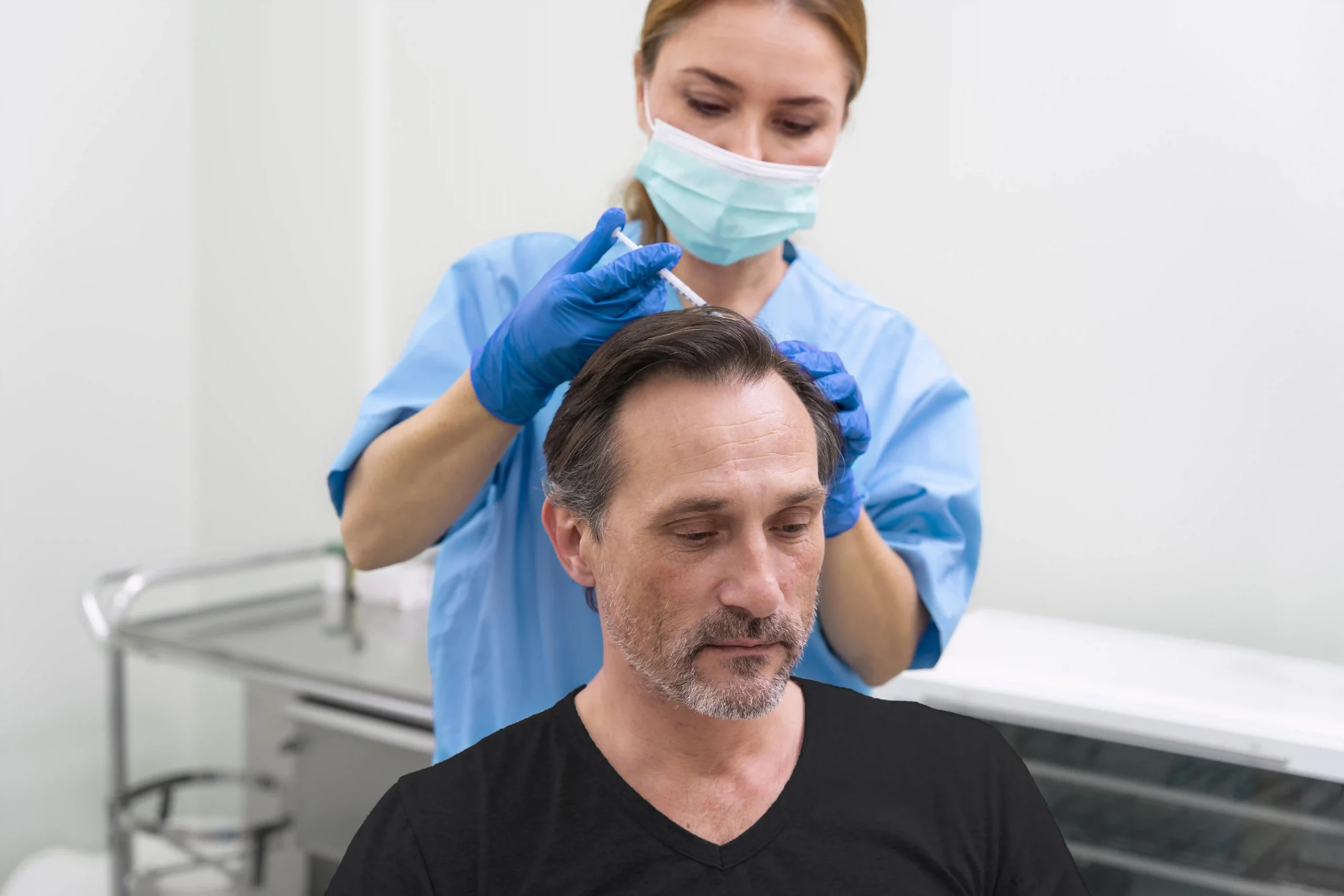
PRP therapy involves extracting a small amount of the patient’s blood, processing it to concentrate the platelets, and injecting the platelet-rich plasma into the scalp. The growth factors in PRP can stimulate dormant hair follicles and improve hair density. Similarly, mesotherapy involves injecting vitamins, minerals, and other nutrients directly into the scalp to nourish hair follicles and promote healthy hair growth.
Surgical Hair Restoration Options
For individuals with advanced hair loss or those seeking more dramatic and permanent results, surgical hair restoration offers the most comprehensive solution. Modern hair transplant techniques have become increasingly sophisticated, providing natural-looking results with minimal downtime.
FUE Hair Transplant Technique
Follicular Unit Extraction (FUE) represents the gold standard in modern hair transplantation. This minimally invasive technique involves extracting individual hair follicles from the donor area and transplanting them to the recipient site with precision and artistry.
The FUE method offers faster healing times and minimal scarring. Patients can typically return to work within a few days. The transplanted hair grows naturally and permanently, providing long-lasting results.
Choosing the Right Treatment Approach
Selecting the most appropriate hair loss treatment near me requires careful consideration of multiple factors, including the extent of hair loss, age, lifestyle, and personal preferences. A comprehensive consultation with qualified professionals is essential for developing an effective treatment strategy.
The best treatment approach often involves combining multiple therapies to maximise results. For example, many patients benefit from starting with medical treatments to stabilise hair loss before considering surgical options, or combining PRP therapy with hair transplantation to enhance healing and improve outcomes.
Factors to Consider When Choosing Treatment
Several important factors should influence your treatment decision, starting with the stage and pattern of your hair loss. Early-stage hair loss often responds well to medical treatments and regenerative therapies, while advanced hair loss may require surgical intervention for optimal results.
Setting Realistic Expectations
Understanding what each treatment can realistically achieve is vital for satisfaction with your hair restoration journey. Medical treatments typically slow hair loss progression and may provide modest improvements in hair density, while surgical procedures can deliver more dramatic transformations.
It’s important to remember that hair restoration is often a gradual process, with full results becoming apparent over 12-18 months for most treatments. Professional clinics provide detailed information about expected timelines and outcomes, helping patients maintain realistic expectations throughout their treatment journey. According to the NHS guidelines on hair loss, patience and consistency are key factors in achieving successful outcomes with any hair loss treatment.
Frequently Asked Questions
Here are common questions about hair loss treatment near me that we frequently receive from patients considering their options:
1. What is the most effective hair loss treatment, and how does it work?
The most effective treatment depends on your specific type and stage of hair loss. For early-stage androgenetic alopecia, medical treatments like finasteride and minoxidil are highly effective. For advanced hair loss, FUE hair transplantation provides the most dramatic and permanent results. The best approach often combines multiple treatments tailored to your individual needs.
2. How long does it take to see results from hair loss treatment?
Results vary depending on the treatment type. Medical treatments typically show initial improvements within 3-6 months, with full benefits visible after 12 months. PRP therapy results become apparent after 3-4 sessions over 6 months. Hair transplant results are visible within 6 months, with full growth achieved by 12-18 months post-procedure.
Conclusion
Finding effective hair loss treatment near me no longer needs to be a daunting task, thanks to the wide range of proven options available today. From medical therapies and regenerative treatments to advanced surgical procedures, there are solutions suitable for every stage of hair loss and individual circumstance.
The key to successful hair restoration lies in seeking professional guidance to develop a personalised treatment plan that addresses your specific needs and goals. Modern treatments offer excellent safety profiles and impressive results when performed by qualified practitioners using the latest techniques and technologies.
If you’re ready to take the next step in your hair restoration journey, scheduling a consultation with experienced professionals can help you explore your options and develop an effective treatment strategy tailored to your unique situation.