
Benefits & Risks of Fractional CO2 Laser
Are you considering a fractional CO2 laser treatment but feeling uncertain about what to expect? You’re not alone. Many people struggle with skin concerns like acne scars, fine lines, and uneven texture, wondering if this advanced laser technology could be the solution they’ve been searching for.
Fractional CO2 laser treatment has revolutionised the world of aesthetic medicine, offering remarkable results for various skin conditions. This innovative procedure uses targeted laser energy to stimulate your skin’s natural healing process, promoting collagen production and revealing smoother, more youthful-looking skin.
Understanding both the benefits and potential risks of fractional CO2 laser therapy is crucial for making an informed decision about your skincare journey. Professional clinics like Enhanze Clinic provide comprehensive consultations to help you determine if this treatment aligns with your aesthetic goals and skin type.
Understanding Fractional CO2 Laser Technology and Its Applications
Fractional CO2 laser technology represents a significant advancement in dermatological treatments, offering precise skin resurfacing with minimal downtime. This sophisticated system creates microscopic columns of thermal damage in the skin, leaving surrounding tissue intact to facilitate faster healing and recovery.
The fractional approach allows practitioners to treat specific skin concerns while preserving healthy tissue, making it suitable for various skin types and conditions. This targeted method has made fractional CO2 laser treatments increasingly popular among patients seeking effective skin rejuvenation solutions.
Top 3 Benefits of Fractional CO2 Laser Treatment
The advantages of fractional CO2 laser therapy extend far beyond simple skin improvement, offering transformative results that can boost confidence and overall wellbeing:
- Dramatic Acne Scar Reduction: The laser’s ability to remodel scar tissue makes it exceptionally effective for treating atrophic acne scars, with patients often seeing 50-80% improvement after a series of treatments.
- Significant Anti-Ageing Results: By stimulating deep collagen production, fractional CO2 laser can reduce fine lines, wrinkles, and age spots more effectively than many other non-surgical treatments.
- Improved Skin Texture and Tone: The treatment addresses multiple concerns simultaneously, including enlarged pores, sun damage, and uneven pigmentation, creating smoother, more radiant skin.
Treatment Process and What to Expect
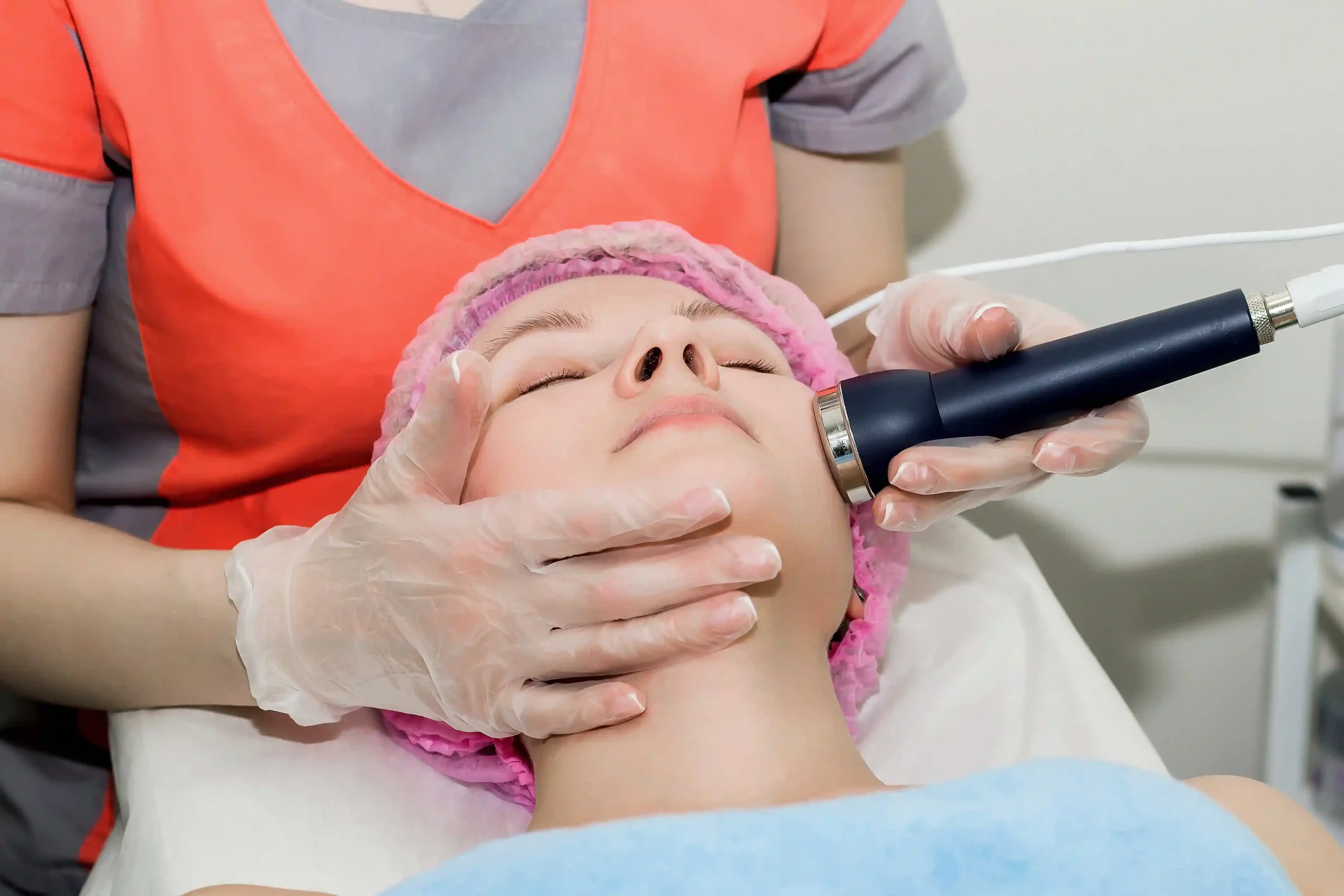
The fractional CO2 laser procedure typically begins with a thorough consultation where your practitioner assesses your skin condition and discusses realistic expectations. During treatment, the laser creates controlled micro-injuries that trigger your body’s natural healing response, promoting the formation of new, healthy skin cells.
Potential Risks and Side Effects of Fractional CO2 Laser
Whilst fractional CO2 laser treatments offer impressive results, it’s essential to understand the potential risks and side effects associated with this procedure. Being well-informed about these considerations helps ensure you’re prepared for the recovery process and can make the best decision for your skin health.
Like any medical procedure, fractional CO2 laser treatment carries certain risks that vary depending on individual factors such as skin type, medical history, and post-treatment care. Understanding these potential complications allows you to work closely with your practitioner to minimise risks and optimise outcomes.
Common Side Effects and Recovery Considerations
Most patients experience predictable side effects that are part of the normal healing process. These typically include redness, swelling, and a sensation similar to sunburn that can last 3-7 days. Some patients may also experience mild crusting or peeling as the skin regenerates.
More serious but less common risks include infection, scarring, or changes in skin pigmentation, particularly in individuals with darker skin tones. According to research published by the NHS on laser resurfacing, proper patient selection and post-treatment care significantly reduce the likelihood of complications.
Who Should Avoid Fractional CO2 Laser Treatment
Certain individuals may not be suitable candidates for fractional CO2 laser therapy. Those with active skin infections, autoimmune conditions, or a history of keloid scarring should discuss alternative options with their practitioner. Pregnant or breastfeeding women are also advised to postpone treatment.
Additionally, patients taking certain medications or those with unrealistic expectations about results may benefit from exploring other treatment options. Professional assessment at established clinics ensures that only appropriate candidates receive treatment, with comprehensive cosmetic procedures available to suit different needs and circumstances.
Frequently Asked Questions
Here are common questions about fractional CO2 laser treatment that we often receive from patients considering this innovative skin rejuvenation option:
1. What is fractional CO2 laser and how does it work?
Fractional CO2 laser is an advanced skin resurfacing treatment that uses carbon dioxide laser technology to create microscopic columns of thermal energy in the skin. This fractional approach stimulates collagen production and cellular renewal whilst leaving surrounding tissue intact, promoting faster healing and reducing downtime compared to traditional CO2 laser treatments.
2. How long does it take to see results from fractional CO2 laser treatment?
Initial improvements in skin texture and tone can be noticed within 1-2 weeks after treatment, but the most significant results from fractional CO2 laser therapy typically become apparent 3-6 months post-treatment.
3. Is fractional CO2 laser treatment painful?
Most patients describe the sensation during fractional CO2 laser treatment as similar to rubber band snaps against the skin. Topical anaesthetic is applied before the procedure to minimise discomfort, and many clinics offer additional pain management options to ensure patient comfort throughout the treatment.
4. How many fractional CO2 laser sessions will I need?
The number of fractional CO2 laser sessions required varies depending on individual skin concerns and desired outcomes. Most patients achieve optimal results with 1-3 treatments spaced 4-6 weeks apart, though some may benefit from additional sessions for more severe skin damage or scarring.
5. Can fractional CO2 laser treatment be combined with other procedures?
Yes, fractional CO2 laser can often be combined with other aesthetic treatments to enhance overall results. However, timing and combination protocols should always be determined by qualified practitioners who can assess individual suitability and create personalised treatment plans for optimal outcomes.
Conclusion
Fractional CO2 laser treatment represents a powerful solution for individuals seeking significant improvements in skin texture, tone, and overall appearance. This advanced technology offers remarkable results for acne scarring, fine lines, and various signs of ageing, making it an increasingly popular choice among patients worldwide.
Understanding both the benefits and potential risks of fractional CO2 laser therapy empowers you to make informed decisions about your skincare journey. The key to successful outcomes lies in choosing experienced practitioners who can properly assess your suitability for treatment and provide comprehensive aftercare support.
If you’re considering fractional CO2 laser treatment, consulting with qualified professionals is essential for achieving your aesthetic goals safely and effectively. To learn more about this innovative treatment option and schedule a personalised consultation, book an appointment with our experienced team who can guide you through every step of your skin transformation journey.