
Fractional CO2 vs Ablative Laser Guide
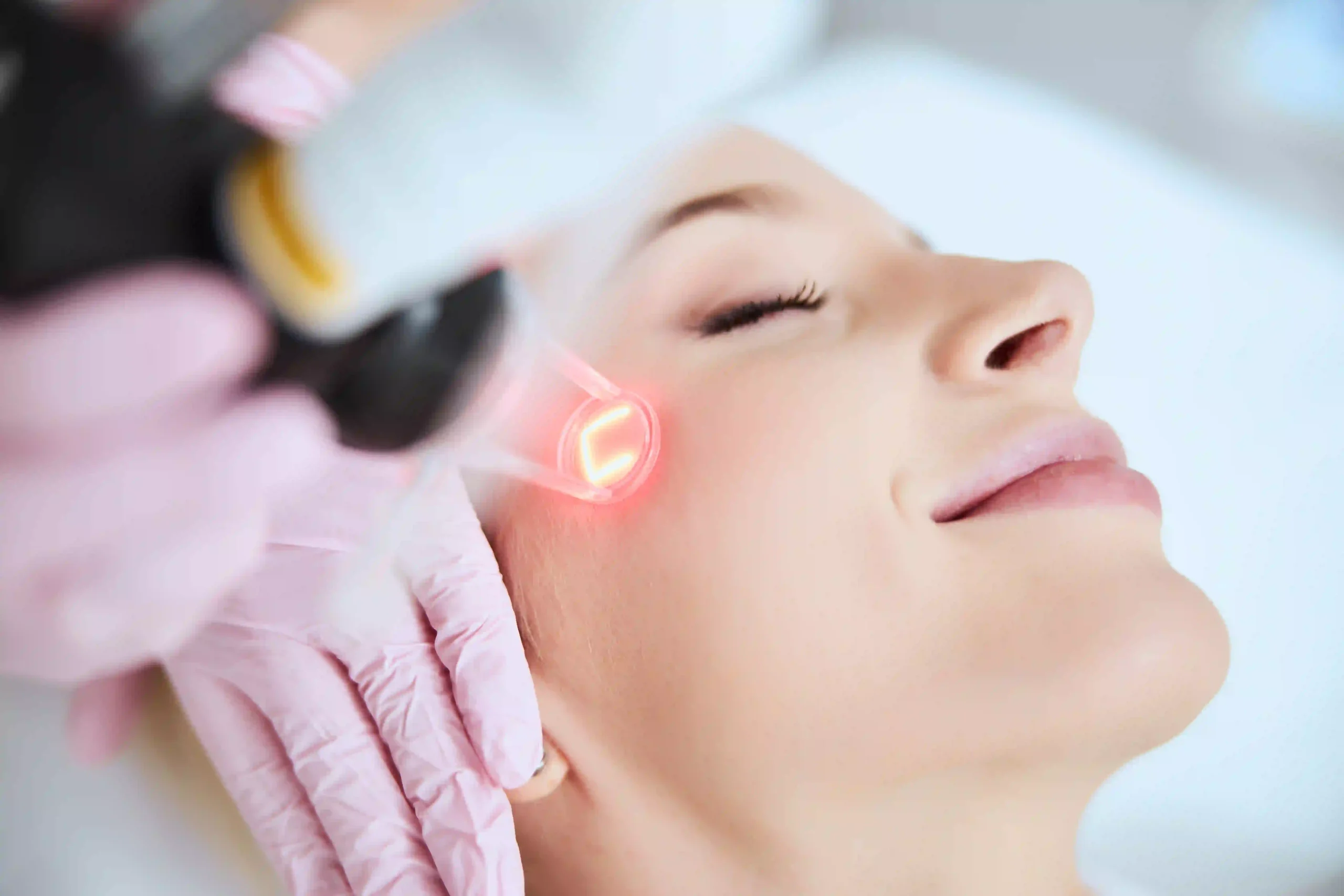
Struggling with acne scars, fine lines, or uneven texture? Traditional skincare often fails to deliver results. Fractional CO2 lasers offer an effective solution, balancing gentle and aggressive procedures with significant results and manageable downtime. At Enhanze Clinic, we help you choose between fractional and ablative approaches based on your skin concerns and goals versus fully ablative approaches.
How Fractional CO2 Lasers Work
The fractional CO2 laser operates on a sophisticated principle that targets specific areas of skin whilst leaving surrounding tissue intact. This selective approach allows for faster healing and reduced downtime compared to traditional resurfacing methods. Understanding the science behind this technology helps explain why it has become such a popular choice for addressing various skin concerns.
Fractional CO2 vs. Ablative Lasers: Key Differences
Treatment Approach and Recovery Time
Traditional ablative lasers remove the entire surface layer of skin, creating a uniform wound that requires extensive healing time. Recovery typically involves 2-3 weeks of significant downtime, with patients experiencing substantial swelling, redness, and peeling. The fractional CO2 laser, however, creates a pattern of treated and untreated areas, allowing for much faster recovery. Most patients undergoing fractional treatments can return to normal activities within 3-7 days, depending on the treatment intensity. The untreated skin areas serve as healing centres, dramatically reducing recovery time whilst still delivering impressive results. This makes fractional technology particularly appealing for individuals with busy lifestyles who cannot afford extended downtime.
Risk Profile and Suitability
The risk profile differs significantly between these two approaches. Traditional ablative treatments carry higher risks of: 1. Prolonged redness lasting several months, 2. Hyperpigmentation, particularly in darker skin types 3. Infection due to the extensive wound surface 4. Scarring from improper healing 5. Permanent skin texture changes. Fractional CO2 laser treatments present a more favourable risk profile whilst maintaining effectiveness. The preserved skin bridges reduce infection risk and promote faster healing. Patients considering skin rejuvenation treatments often find fractional options more suitable for their lifestyle and risk tolerance.
Benefits of Fractional CO2 Laser Treatment
The fractional CO2 laser offers a comprehensive solution for multiple skin concerns, delivering remarkable results with manageable downtime. This versatile treatment addresses both superficial and deep skin issues, making it an excellent choice for patients seeking significant improvement without the extensive recovery associated with traditional ablative procedures.
Skin Texture and Tone Improvements
One of the most notable benefits of fractional CO2 treatment is its ability to dramatically improve skin texture and tone. The controlled thermal damage stimulates extensive collagen remodelling, resulting in a smoother, more even skin surface. Patients typically notice improvements in: 1. Fine lines and wrinkles around the eyes and mouth 2. Acne scarring and other textural irregularities 3. Sun damage and age spots 4. Overall skin firmness and elasticity 5. Pore size reduction. The treatment’s ability to address multiple concerns simultaneously makes it particularly cost-effective compared to combining several different procedures. Many patients find that a single fractionalCO22 laser session can achieve results that would otherwise require multiple treatments with different technologies.
Long-term Anti-Ageing Benefits
Beyond immediate improvements, fractional CO2 treatments provide lasting anti-ageing benefits through continued collagen production. The healing process continues for months after treatment, with patients often reporting ongoing improvements for up to a year post-procedure. This extended benefit period makes the investment particularly worthwhile. The treatment also helps prevent future skin damage by removing compromised cells and strengthening the skin’s overall structure. Patients who maintain proper skincare routines and sun protection can enjoy results lasting several years.
Risks and Considerations with Fractional CO2 Lasers
While fractional CO2 laser treatments are generally safe when performed by qualified practitioners, understanding potential risks and considerations is crucial for making an informed decision.
Immediate Side Effects and Recovery
Most patients experience predictable side effects following fractional CO2 treatment, which are part of the normal healing process. Common immediate effects include redness, swelling, and a sensation similar to sunburn. These typically peak within 24-48 hours and gradually subside over the following week. patients may notice bronzed skin appearance, mild swelling, pinpoint bleeding, and temporary sensitivity.
Long-term Considerations and Contraindications
Certain individuals may not be suitable candidates for fractional CO2 treatments due to medical conditions or skin characteristics. Those with active skin infections, autoimmune disorders, or a history of keloid scarring require careful evaluation before proceeding. Pregnant or breastfeeding women should postpone treatment until after this period. Long-term considerations include the importance of maintaining results through proper skincare and sun protection. Patients with darker skin types may have an increased risk of post-inflammatory hyperpigmentation, though this risk is significantly lower with fractional technology compared to traditional ablative treatments. Those considering treatment should discuss their medical history and expectations with qualified practitioners who can assess suitability and provide realistic outcome predictions.
Frequently Asked Questions
Here are common questions about the fractional CO2 laser we often receive from patients considering this advanced skin resurfacing treatment:
1. What is a fractional CO2 laser, and how does it work?
Fractional CO2 laser is an advanced skin resurfacing technology that uses carbon dioxide laser energy delivered in a fractional pattern to create microscopic treatment zones in the skin. Unlike traditional ablative lasers that remove entire layers of skin, the fractional CO2 laser creates thousands of tiny columns of treated tissue whilst leaving surrounding areas intact. This approach stimulates the body’s natural healing response, promoting collagen production and cellular renewal. The laser energy vaporises damaged skin cells and triggers the formation of new, healthier tissue, resulting in improved skin texture, reduced scarring, and a more youthful appearance.
2. Can a fractional CO2 laser treat acne scars?
Yes, the fractional CO2 laser is particularly effective for treating various types of acne scars, including atrophic scars, ice pick scars, and rolling scars. The laser’s ability to penetrate deep into the dermis makes it excellent for remodelling scar tissue and stimulating collagen production. Multiple sessions may be recommended for optimal results.
3. How long does recovery from the fractional CO2 laser take?
Recovery from fractional CO2 laser typically takes 7-14 days. Patients experience redness and swelling initially, with skin peeling around day 3-5. Most can return to normal activities within a week.
4. Is the fractional CO2 laser safe for all skin types?
Fractional CO2 laser can be safely performed on most skin types, though individuals with darker skin tones require careful assessment and potentially modified treatment parameters to minimise the risk of post-inflammatory hyperpigmentation. Patients with active skin infections, autoimmune conditions, or those who are pregnant or breastfeeding are typically not suitable candidates. A thorough consultation with qualified practitioners is essential to determine suitability and ensure optimal safety outcomes. Clinical studies have demonstrated the safety profile of the fractional CO2 laser when performed by experienced professionals.
5. Are results permanent, and how many sessions are needed?
Results from fractional CO2 laser can be long-lasting, with many patients enjoying improved skin quality for several years. However, the natural ageing process continues, so maintenance treatments may be beneficial. Most patients achieve significant improvement with 1-3 sessions, spaced 4-6 weeks apart, depending on their specific concerns and desired outcomes. The number of treatments required varies based on factors such as skin condition, age, and treatment goals. Proper skincare maintenance and sun protection help preserve and extend the longevity of results.
Conclusion
Fractional CO2 laser represents a significant advancement in skin resurfacing technology, offering patients an effective solution for addressing various skin concerns from acne scarring to signs of ageing. This innovative treatment combines the power of traditional CO2 laser technology with the safety and reduced downtime of fractional delivery, making it an attractive option for those seeking dramatic skin improvement without the extended recovery period of older ablative techniques.
If you’re considering fractional CO2 laser treatment, it’s essential to consult with experienced professionals who can assess your individual needs and develop a personalised treatment plan. The team at Enhanze Clinic’s comprehensive procedures can guide you through the entire process, from initial consultation to post-treatment care, ensuring you achieve the best possible outcomes. To learn more about how a fractional CO2 laser can transform your skin, contact our specialists today to schedule your personalised consultation.