
Top Laser for Pigmentation Clinics 2025
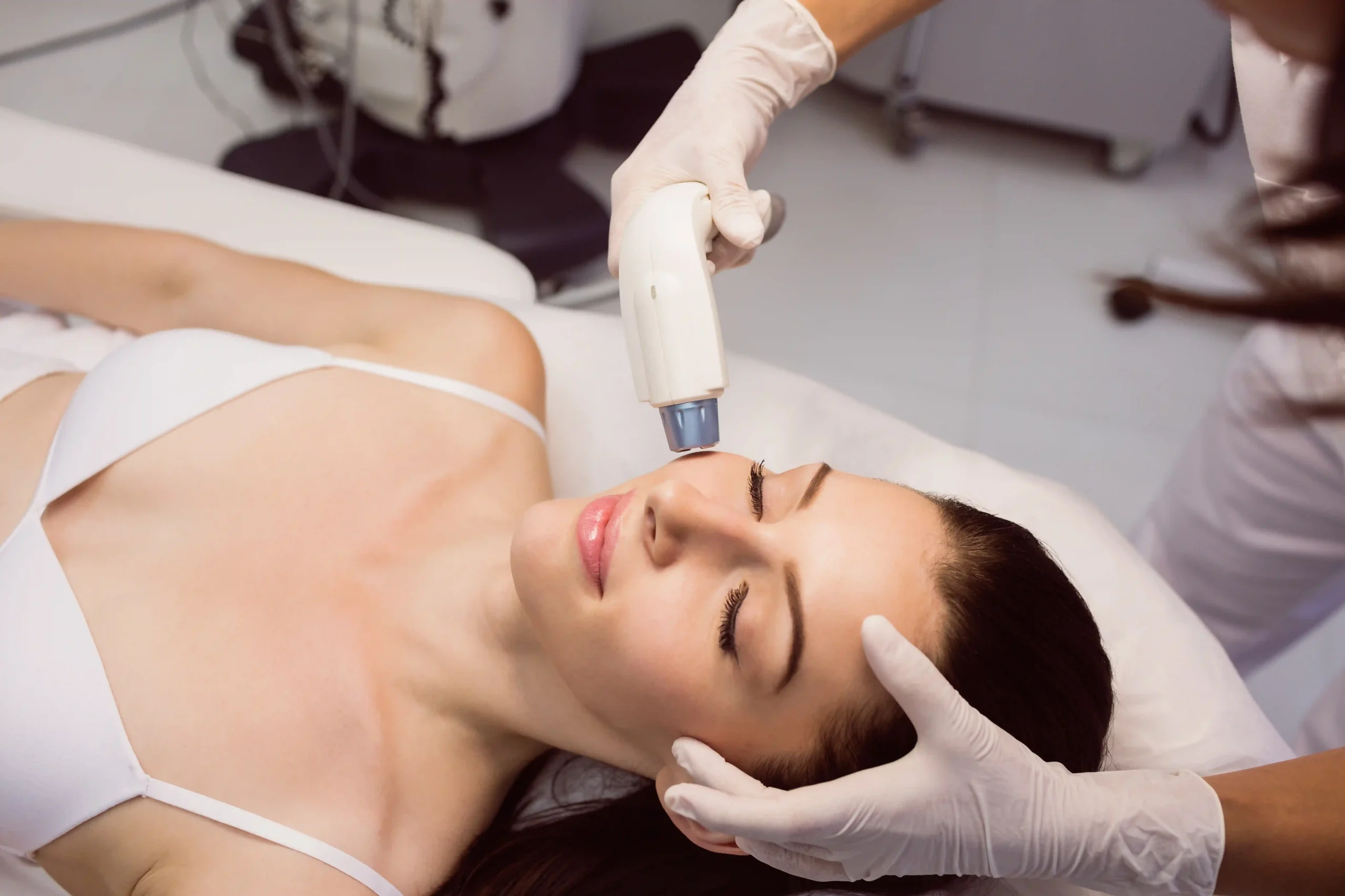
Struggling with stubborn dark spots, melasma, or uneven skin tone that refuses to fade? You’re not alone in this frustrating journey. Millions of people worldwide battle pigmentation issues that can significantly impact confidence and self-esteem, making them feel self-conscious about their appearance.
Fortunately, laser for pigmentation treatments have revolutionised the way we approach these skin concerns, offering hope where traditional creams and serums have failed. Modern laser technology provides targeted, effective solutions that can dramatically improve skin clarity and restore your natural radiance. Professional skin treatment specialists now utilise advanced laser systems that can safely address various pigmentation concerns with minimal downtime.
Understanding Different Types of Laser for Pigmentation Treatment
Not all pigmentation issues are created equal, and understanding the specific type affecting your skin is essential for selecting the most effective laser for pigmentation treatment. Different pigmentation concerns require tailored approaches, as what works brilliantly for sun spots may not be suitable for melasma or post-inflammatory hyperpigmentation.
Surface Level Pigmentation Issues
Surface pigmentation, including age spots, sun spots, and freckles, typically responds exceptionally well to laser treatments. These concerns sit in the upper layers of the skin, making them more accessible to laser energy and generally easier to treat with fewer sessions required.
IPL (Intense Pulsed Light) and Q-switched lasers are particularly effective for these surface-level concerns. The treatment works by targeting melanin deposits, breaking them down into smaller particles that your body can naturally eliminate through its lymphatic system.
Deep Pigmentation and Hormonal Concerns
Melasma and hormonal pigmentation present more complex challenges, as they often extend deeper into the skin layers and can be triggered by hormonal fluctuations, pregnancy, or certain medications. These conditions require more sophisticated laser approaches and often benefit from combination treatments.
Advanced Technologies – Laser for Pigmentation Treatment
The landscape of lasers for pigmentation treatments has evolved dramatically, with cutting-edge technologies offering more precise, comfortable, and effective solutions than ever before. Understanding these advanced options helps you make informed decisions about your treatment journey and sets realistic expectations for results.
Picosecond Laser Technology
Picosecond lasers represent the gold standard in pigmentation treatment, delivering ultra-short pulses that shatter pigment particles more effectively than traditional nanosecond lasers. This advanced technology minimises heat damage to surrounding tissues whilst maximising pigment destruction, resulting in faster healing and superior results.
Fractional Laser Resurfacing
Fractional laser technology creates microscopic treatment zones whilst leaving surrounding tissue intact, promoting faster healing and reducing downtime. This approach is particularly beneficial for treating widespread pigmentation issues and can simultaneously address skin texture concerns.
What to Expect During Your Laser Pigmentation Journey
Embarking on laser for pigmentation treatment involves several important stages, from initial consultation through to final results and maintenance. Understanding this process helps you prepare mentally and physically for the journey ahead, ensuring you achieve the best possible outcomes from your investment.
Initial Consultation and Treatment Planning
Your first appointment involves a comprehensive skin analysis using advanced imaging technology to assess pigmentation depth, distribution, and underlying causes. This detailed evaluation allows practitioners to design a customised treatment plan that addresses your specific concerns whilst considering your skin type, lifestyle, and desired outcomes.
Treatment Sessions and Recovery Process
Each laser session typically lasts 15-45 minutes, depending on the treatment area size and laser type being used. Most patients describe the sensation as similar to a rubber band snapping against the skin, with modern cooling systems significantly reducing discomfort during treatment.
Post-treatment, you can expect some redness and mild swelling, similar to a sunburn, which typically subsides within 24-48 hours. The treated pigmentation may initially appear darker before gradually fading over the following weeks. Proper sun protection and gentle skincare are crucial during the healing process to prevent complications and ensure optimal results.
Choosing the Right Clinic for Your Pigmentation Treatment
Selecting the appropriate clinic for your laser for pigmentation treatment is perhaps the most critical decision in your journey towards clearer skin. The expertise of your practitioner, the quality of equipment, and the clinic standards directly impact both your safety and treatment outcomes.
Essential Qualifications and Certifications
Look for clinics staffed by qualified medical professionals with specific training in laser treatments and dermatological procedures. Practitioners should hold relevant certifications and regularly update their skills through continuing education programmes to stay current with the latest techniques and safety protocols.
Technology and Treatment Standards
Modern, well-maintained laser equipment is essential for safe and effective pigmentation treatment. Clinics should invest in the latest technology and follow strict maintenance schedules to ensure optimal performance and patient safety.
The best clinics offer multiple laser options to address different pigmentation types and skin concerns. They should also maintain detailed treatment records, provide comprehensive aftercare instructions, and offer follow-up appointments to monitor your progress. Professional treatment centres typically provide detailed information about their equipment and protocols during your consultation.
Frequently Asked Questions
Here are common questions about lasers for pigmentation treatments that we frequently receive from patients considering this transformative procedure:
1. What is laser for pigmentation and how does it work?
Laser for pigmentation treatment uses focused light energy to target and break down excess melanin deposits in the skin. The laser energy is absorbed by the pigmented areas, fragmenting the melanin into smaller particles that your body’s natural processes can eliminate.
2. How many sessions will I need to see results?
Most patients require 3-6 laser sessions to achieve optimal results, with treatments typically spaced 4-6 weeks apart. The exact number depends on factors such as pigmentation type, depth, size of affected area, and your skin’s response to treatment.
3. Is laser pigmentation treatment safe for all skin types?
Modern laser technology can safely treat most skin types, but certain lasers are better suited for darker skin tones to minimise the risk of post-treatment pigmentation changes. During your consultation, the practitioner will assess your skin type and select the most appropriate laser system and settings for your individual needs.
4. Can laser treatment prevent pigmentation from returning?
While laser treatment effectively removes existing pigmentation, it cannot prevent new pigmentation from forming due to future sun exposure, hormonal changes, or ageing. Maintaining results requires diligent sun protection, appropriate skincare, and potentially periodic maintenance treatments.
5. What should I expect during the recovery period?
Recovery from laser pigmentation treatment is generally straightforward, with most patients experiencing mild redness and swelling for 24-48 hours post-treatment. The treated pigmentation may initially appear darker before gradually fading over 2-4 weeks.
Conclusion
Lasers for pigmentation treatments have transformed the landscape of aesthetic medicine, offering effective solutions for even the most stubborn skin discolouration issues. With advanced technologies like picosecond lasers and fractional systems, patients can now achieve remarkable improvements in skin clarity and tone with minimal downtime and excellent safety profiles.
If you’re ready to take the next step towards clearer, more even-toned skin, consider scheduling a consultation with experienced practitioners who can assess your individual needs and recommend the most suitable treatment approach. Book your personalised consultation today to discover how laser pigmentation treatment can help you achieve the beautiful, confident skin you deserve.