
Everything You Need To Know About Pico Laser
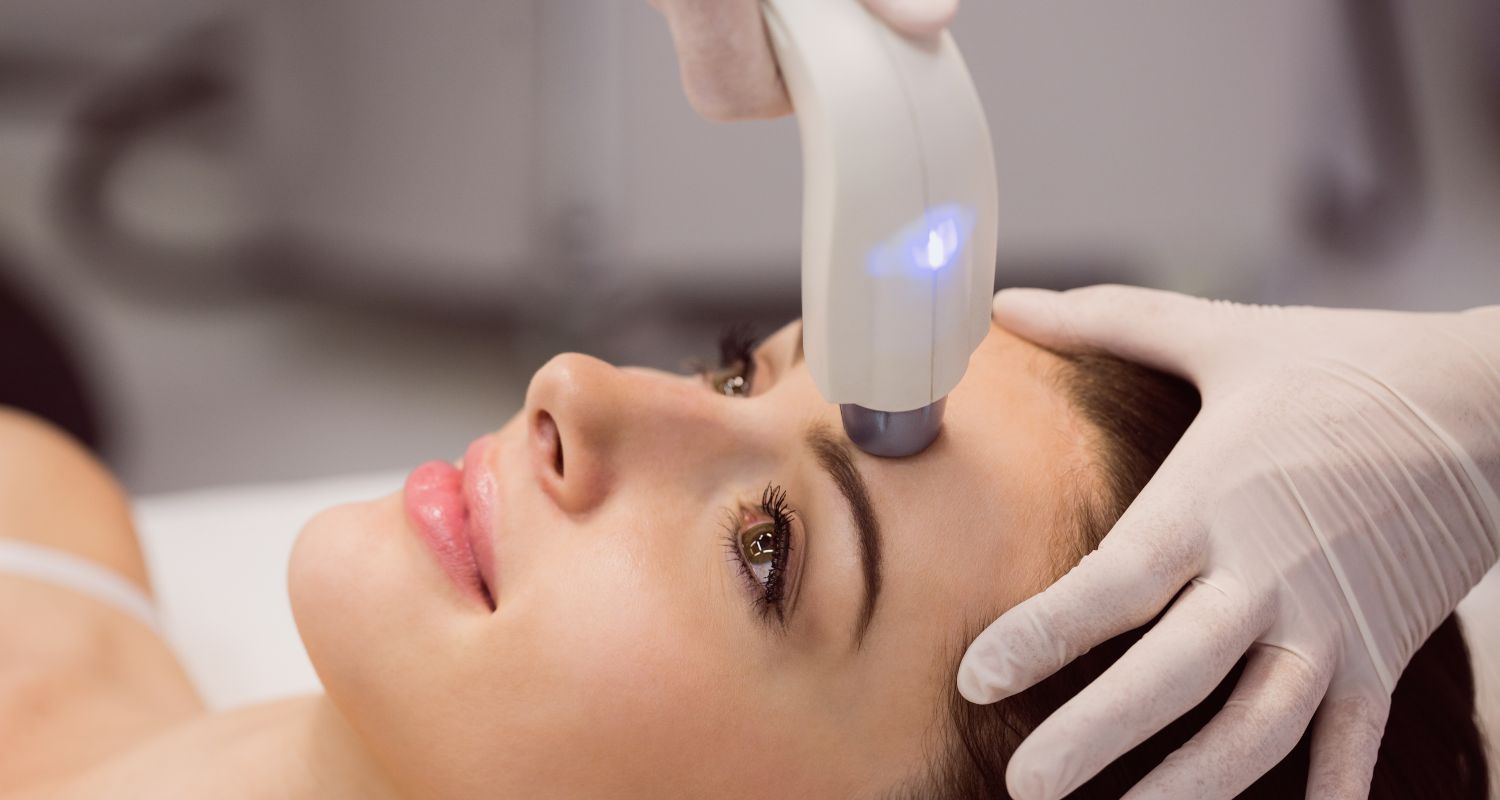
Struggling with stubborn pigmentation, acne scars, or aging signs? Advanced laser technology has revolutionised treatment for these challenging skin concerns.
Pico Laser offers a breakthrough solution for various skin imperfections, delivering ultra-short energy pulses at the picosecond level. This makes it more effective than traditional treatments for melasma, age spots, and textural irregularities, providing remarkable results with minimal downtime.
Professional skin treatment specialists embrace this technology for its precision. Understanding how Pico Laser works helps you decide if it aligns with your skincare goals.
Understanding Pico Laser Technology and Its Mechanisms
Pico Laser delivers energy in picoseconds (one trillionth of a second), creating a photoacoustic effect instead of traditional photothermal reactions. This enables precise targeting of pigmented lesions and collagen stimulation with minimal heat damage.
How Picosecond Technology Differs from Traditional Lasers
Traditional Q-switched lasers operate in nanoseconds, significantly longer than picoseconds. This shorter pulse duration reduces heat generation and post-inflammatory hyperpigmentation risk, offering better results for darker skin tones.
Pico Laser shatters pigment into smaller fragments that the lymphatic system easily eliminates, creating clearer, even-toned skin. The mechanical stress waves stimulate collagen production, improving texture and reducing fine lines.
Multiple Wavelengths for Comprehensive Treatment
Modern Pico Laser systems typically offer multiple wavelengths, each targeting different chromophores in the skin. The 1064nm wavelength penetrates deeply to target melanin and is particularly effective for darker pigmentation. The 532nm wavelength works closer to the surface for superficial pigmented lesions and vascular concerns.
Comprehensive Range of Treatable Skin Conditions
Pico Laser technology addresses numerous traditionally challenging skin concerns, from superficial pigmentation to deeper textural issues, offering solutions across all ages and skin types.
Pigmentation Disorders and Age-Related Changes
Melasma responds exceptionally well to Pico Laser treatment. The precise energy delivery breaks down excess melanin without triggering further pigment production.
Age spots, sun damage, and post-inflammatory hyperpigmentation improve through melanin fragmentation. Results typically appear within 2-4 weeks, with continued improvement over several months.
- Melasma and hormonal pigmentation
- Solar lentigines (age spots)
- Post-inflammatory hyperpigmentation
- Café-au-lait birthmarks
- Drug-induced pigmentation
Acne Scarring and Textural Improvements
Acne scarring treatment stimulates collagen remodelling through controlled micro-injuries, gradually improving atrophic scars while preserving surface integrity.
Treatment Process and What to Expect
Understanding the Pico Laser treatment process helps set realistic expectations and ensures you’re fully prepared for your aesthetic journey. The procedure itself is relatively straightforward, but proper preparation and aftercare are crucial for achieving optimal results and minimising any potential side effects.
Pre-Treatment Consultation and Preparation
Your journey begins with a comprehensive consultation where your practitioner assesses your skin type, concerns, and medical history. This evaluation determines the most appropriate treatment parameters and helps establish realistic expectations for your results. Certain medications and skincare products may need to be discontinued before treatment.
Sun exposure should be minimised for at least two weeks before your appointment. Active tanning, whether from sun exposure or artificial sources, can increase the risk of complications and may require postponing treatment. Your practitioner will provide specific pre-treatment instructions tailored to your individual needs and skin type.
During the Treatment Session
The actual Pico Laser treatment typically takes 15-45 minutes, depending on the size and number of areas being treated. Most patients describe the sensation as similar to rubber band snaps against the skin, with some areas being more sensitive than others. A topical anaesthetic can be applied for comfort, particularly for larger treatment areas.
Your practitioner will adjust the laser settings based on your skin’s response during treatment. The number of passes and energy levels are carefully calibrated to maximise results while ensuring safety. You may notice immediate whitening of pigmented areas, which typically subsides within minutes to hours after treatment.
- Skin cleansing and preparation
- Application of a topical anaesthetic if needed
- Laser treatment with appropriate settings
- Post-treatment cooling and assessment
- Application of soothing skincare products
Recovery, Results Timeline, and Long-Term Benefits
Immediate Post-Treatment Care and Recovery
Immediately following treatment, you may experience mild redness and swelling, similar to a sunburn sensation. This typically resolves within 24-48 hours for most patients. Some pigmented lesions may appear darker initially before gradually fading over the following weeks.
Proper sun protection is absolutely crucial during the healing period. Your skin will be more photosensitive, and UV exposure can lead to complications or suboptimal results. A broad-spectrum SPF 30 or higher should be applied daily, even when indoors, as UV rays can penetrate windows.
Expected Results Timeline and Maintenance
Initial improvements in pigmentation often become visible within 1-2 weeks, with continued enhancement over 8-12 weeks as your skin’s natural renewal processes take effect. Textural improvements from collagen stimulation typically become apparent after 4-6 weeks and continue developing for several months.
Frequently Asked Questions
Here are common questions about Pico Laser treatment that we frequently receive from patients considering this advanced skin rejuvenation option:
1. What is Pico Laser and how does it work?
Pico Laser is an advanced laser technology that delivers ultra-short pulses of energy measured in picoseconds. It works by creating a photoacoustic effect that shatters pigment particles and stimulates collagen production without generating excessive heat, making it safer and more effective than traditional laser treatments.
2. How many sessions will I need to see results?
Most patients require 3-6 treatment sessions spaced 4-6 weeks apart for optimal results. The exact number depends on your specific skin concerns, their severity, and how your skin responds to treatment. Your practitioner will create a personalised treatment plan during your consultation.
3. Is Pico Laser treatment painful?
Most patients describe the sensation as similar to a rubber band snapping against the skin. The discomfort is generally well-tolerated, and a topical anaesthetic can be applied for sensitive areas or larger treatment zones to enhance comfort during the procedure.
4. Can Pico Laser treat all skin types safely?
Yes, Pico Laser is considered safe for all skin types, including darker skin tones that may be at higher risk with traditional laser treatments.
5. What should I expect during the recovery period?
Recovery is typically minimal, with most patients experiencing mild redness and swelling for 24-48 hours. Some pigmented areas may appear darker initially before fading. Strict sun protection and gentle skincare are essential during the healing period to ensure optimal results.
Conclusion
Pico Laser technology represents a significant advancement in aesthetic medicine, offering effective solutions for various skin concerns with minimal downtime and reduced risk of complications. The precision and versatility of this treatment make it an excellent choice for addressing pigmentation disorders, acne scarring, and signs of aging that have previously been challenging to treat effectively.Learn more about Enhanze Clinic, a trusted medical aesthetic clinic offering advanced, evidence-based skin and body treatments.
If you’re considering Pico Laser treatment for your skin concerns, consulting with qualified professionals will help determine whether this innovative technology is right for you. Taking the first step towards addressing your skin concerns can be transformative, and scheduling a consultation with experienced practitioners ensures you receive personalised care tailored to your unique aesthetic goals.